Loading Russian Empire...

Emir Background

Images of the Russian Empire

Bringing Sergei Prokudin-Gorskii's historical photographs to life through digital alignment

14 Images Processed
2 Algorithms Used
178px Max Alignment
Explore Project

Project Overview

Digital colorization of historical glass plate negatives

This project implements Sergei Mikhailovich Prokudin-Gorskii's technique for creating color photographs by digitally aligning and combining three separate glass plate negatives taken through red, green, and blue filters.

The goal is to automatically align the RGB channels to produce a single color image by computing optimal displacement vectors that minimize alignment error using Normalized Cross-Correlation (NCC) as the primary metric (with L2 distance used specifically for the emir image for better results).

Implementation Details

  • Images cropped by 10% to remove edge artifacts
  • 20-pixel border removed to eliminate discontinuities
  • Pyramid search range reduced to ±2 pixels at finer levels
  • NCC metric with L2 distance for specific cases
Alignment Process
Red
→
Green
→
Blue
→
Result

Algorithm

Single-Scale Search

For images under 1000px width

±15 pixel search window

Pyramid Alignment

For high-resolution images

Multi-scale approach

Small Images

Single-Scale Alignment Algorithm
Hover over images to see alignment offsets and processing times. Click to enlarge!

Processing Time

< 1 second per image

Search Window

±15 pixels displacement

Metric

Normalized Cross-Correlation

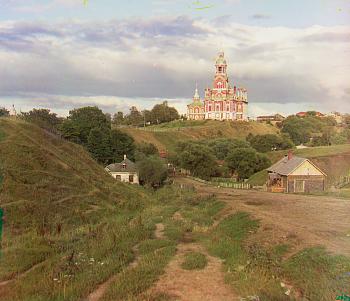
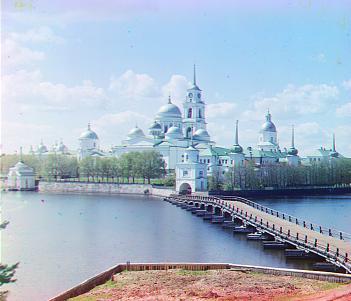
Monastery

Monastery

Green: (-3, 2)
Red: (3, 2)
Time: 0.78s
Cathedral

Cathedral

Green: (5, 2)
Red: (12, 3)
Time: 0.73s
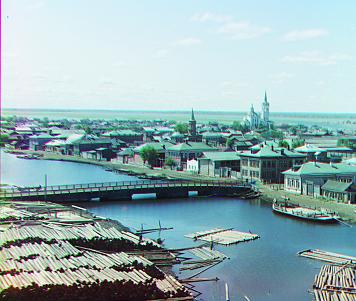
Tobolsk

Tobolsk

Green: (3, 3)
Red: (6, 3)
Time: 0.82s

Large Images

Pyramid Alignment Algorithm
Hover over images to see alignment offsets and processing times. Click to enlarge!

Processing Time

< 4 seconds per image

Searching Window

±15 pixels (coarsest level)

±2 pixels at finer levels

Metric

Normalized Cross-Correlation

Emir uses L2 distance
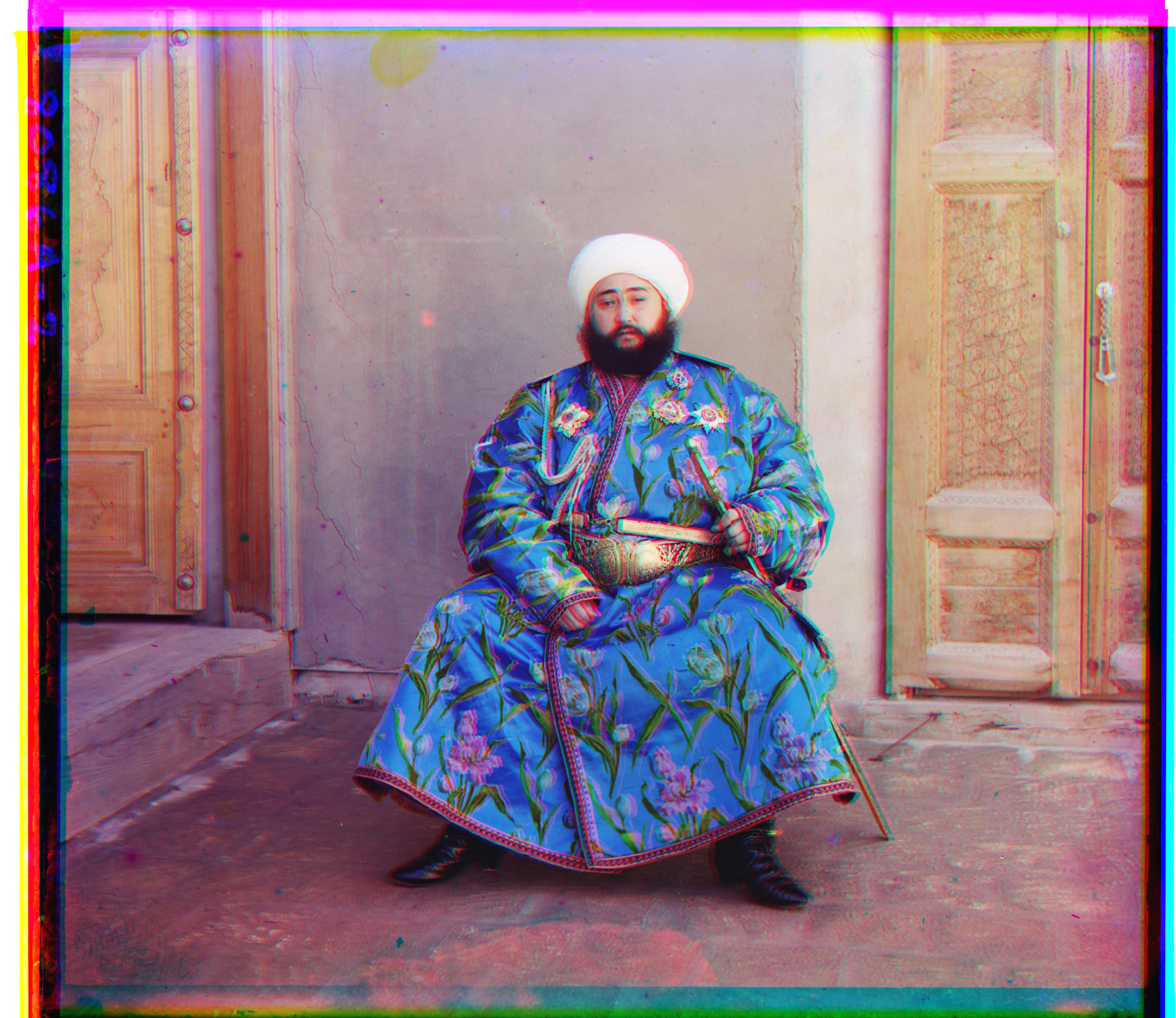
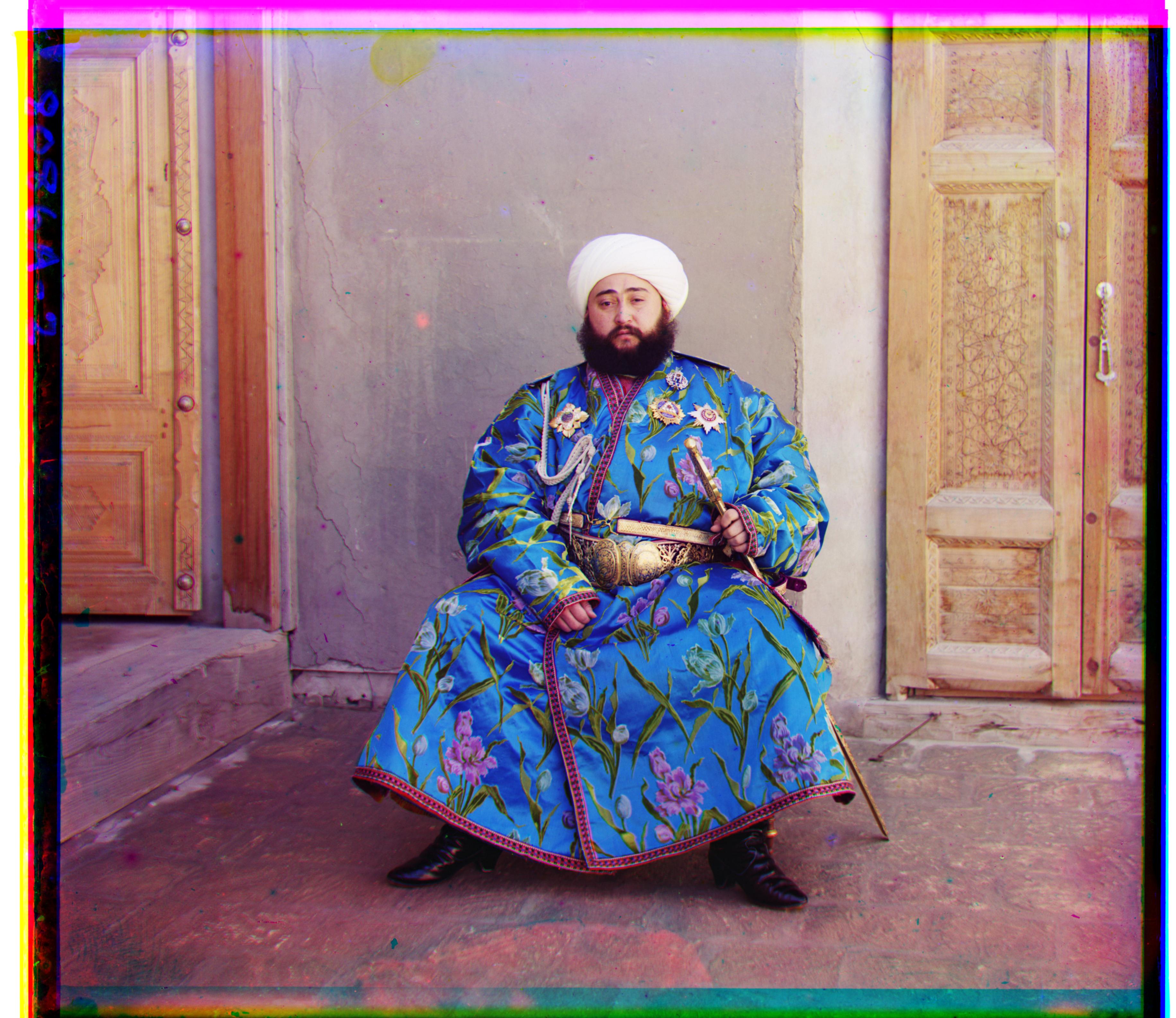
Emir

Emir

Green: (49, 24)
Red: (103, 57)
Time: 1.84s
Metric: L2
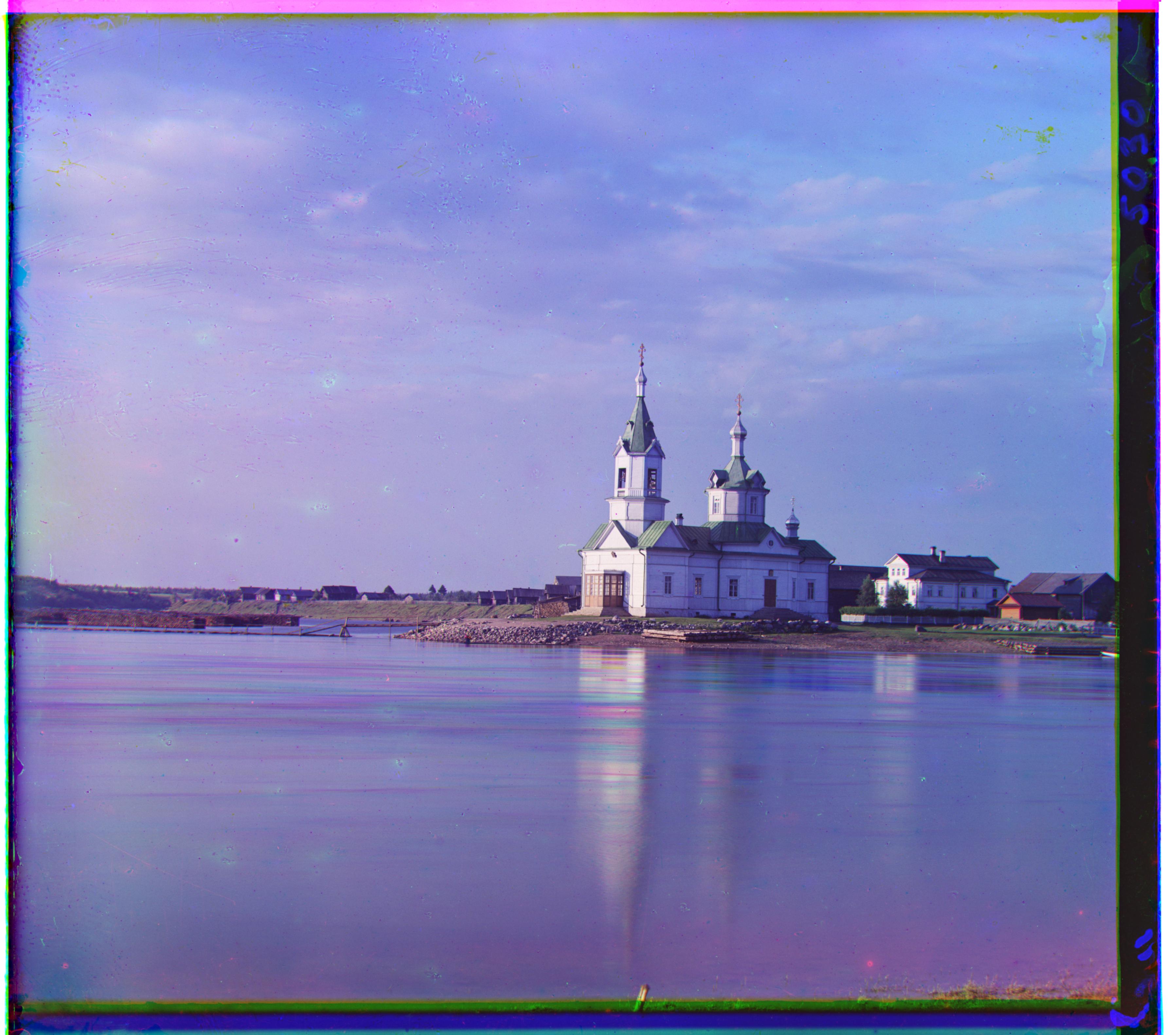
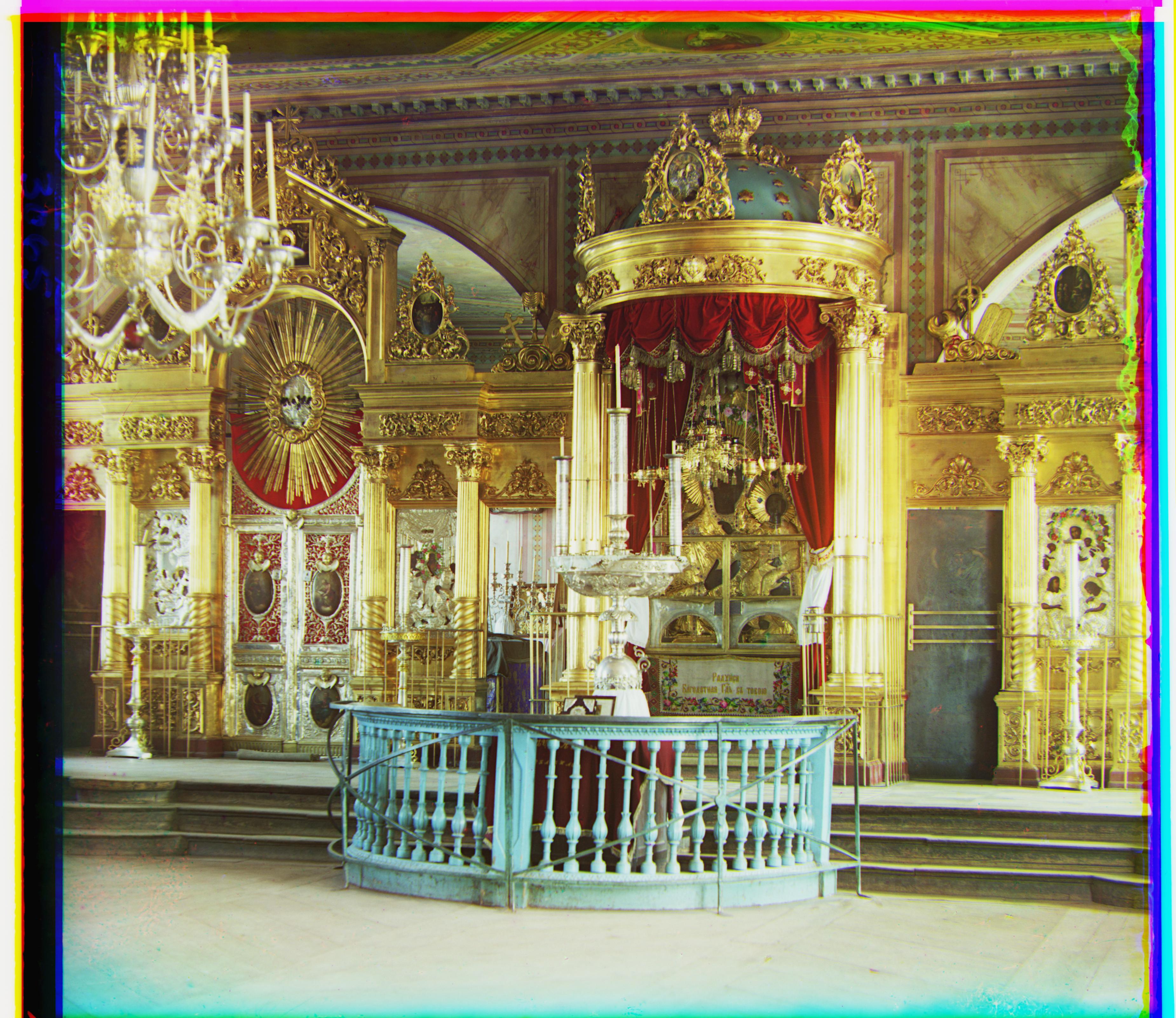
Church

Church

Green: (25, 4)
Red: (58, -4)
Time: 3.68s
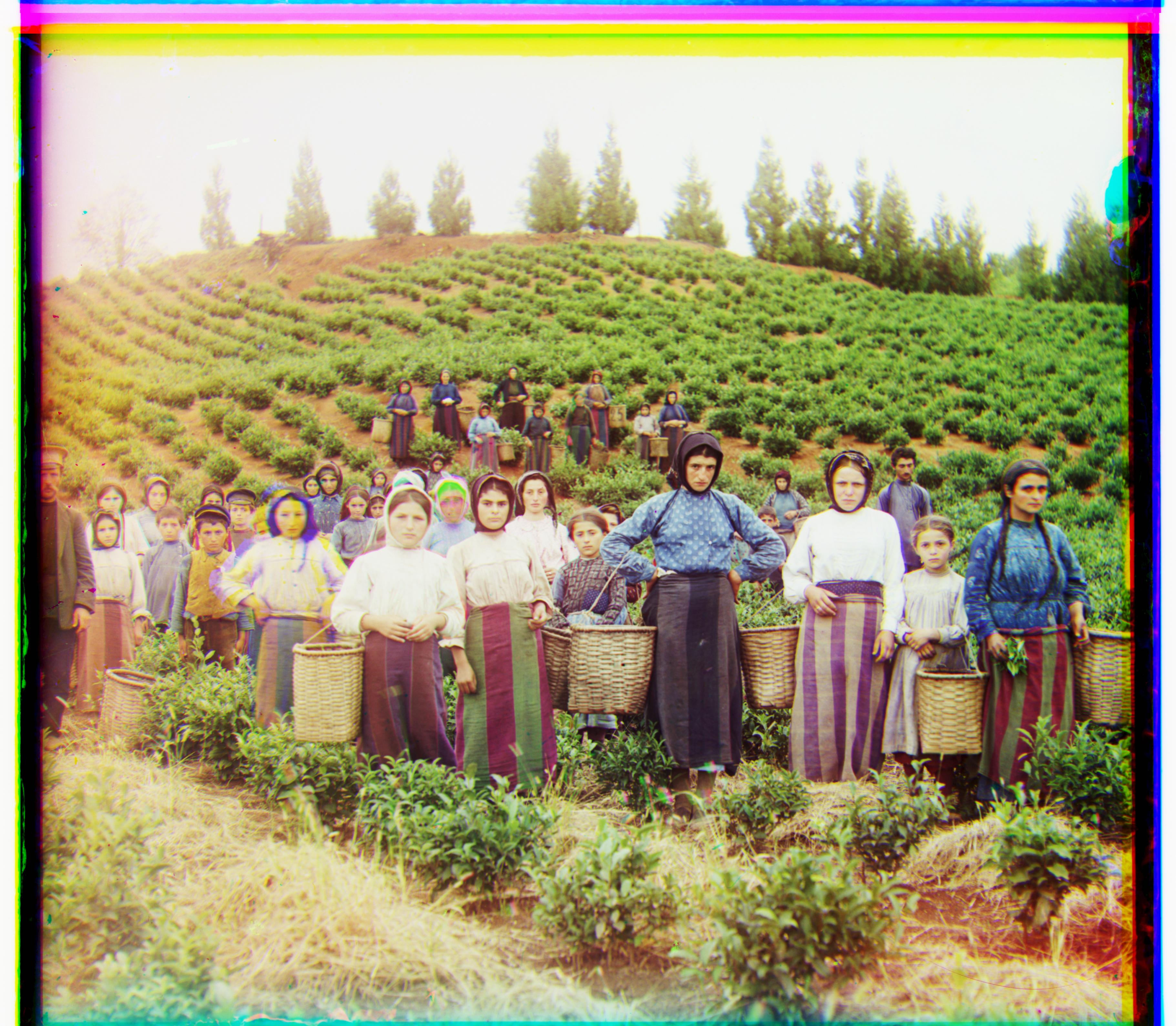
Harvesters

Harvesters

Green: (60, 17)
Red: (124, 13)
Time: 3.89s
Icon

Icon

Green: (41, 17)
Red: (89, 23)
Time: 3.70s
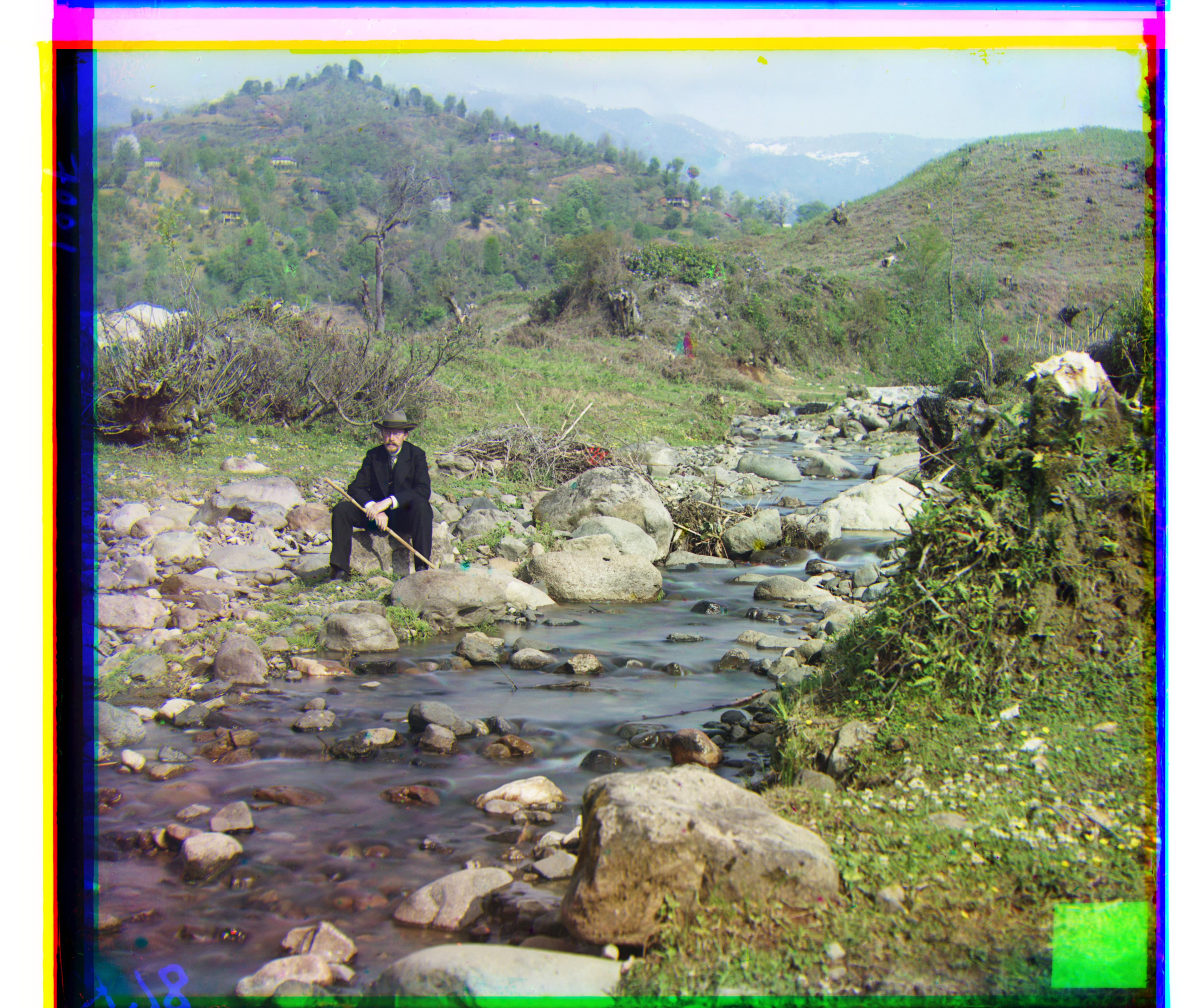
Self Portrait

Self Portrait

Green: (79, 29)
Red: (176, 37)
Time: 3.83s
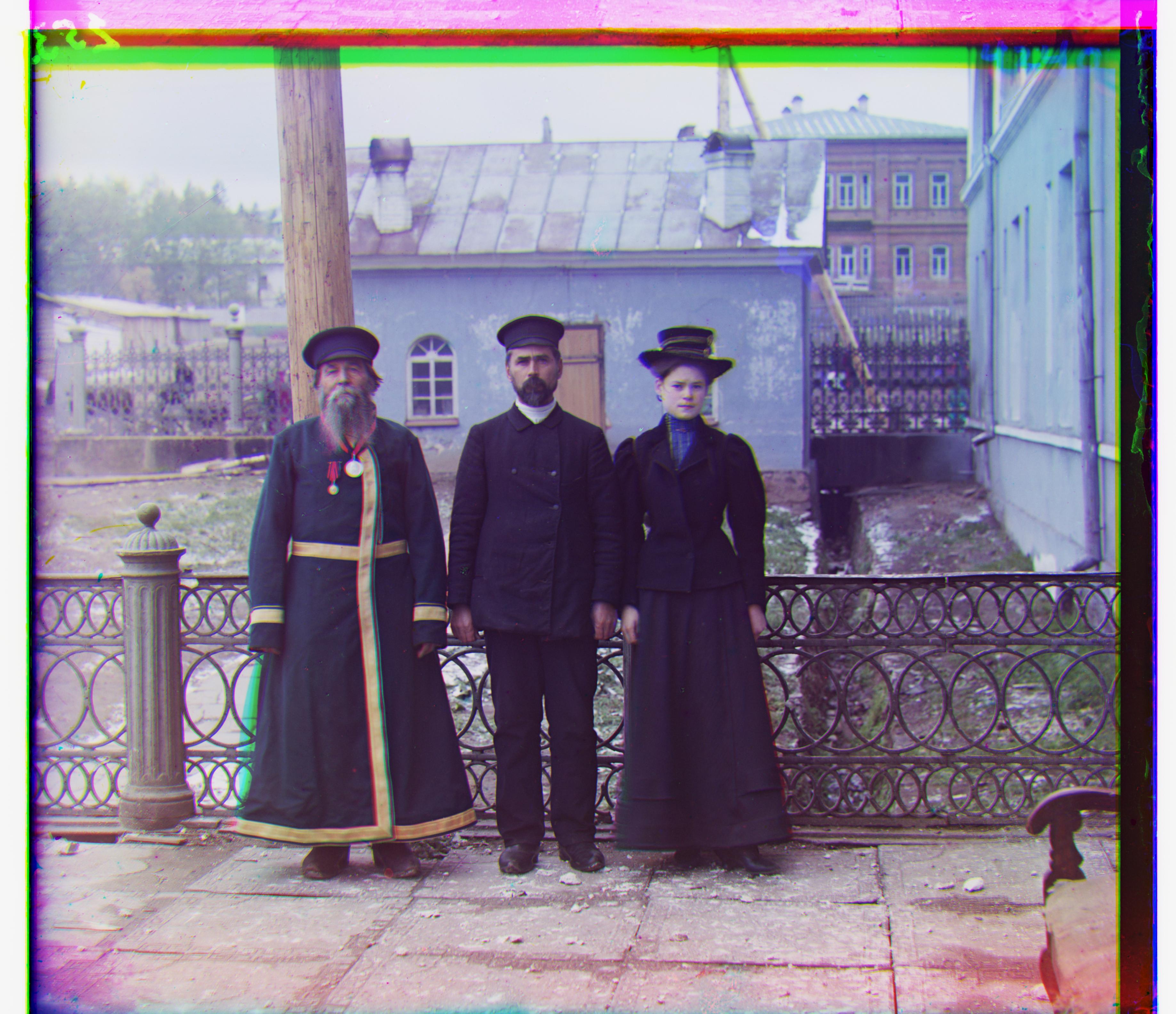
Three Generations

Three Generations

Green: (53, 14)
Red: (112, 11)
Time: 3.72s
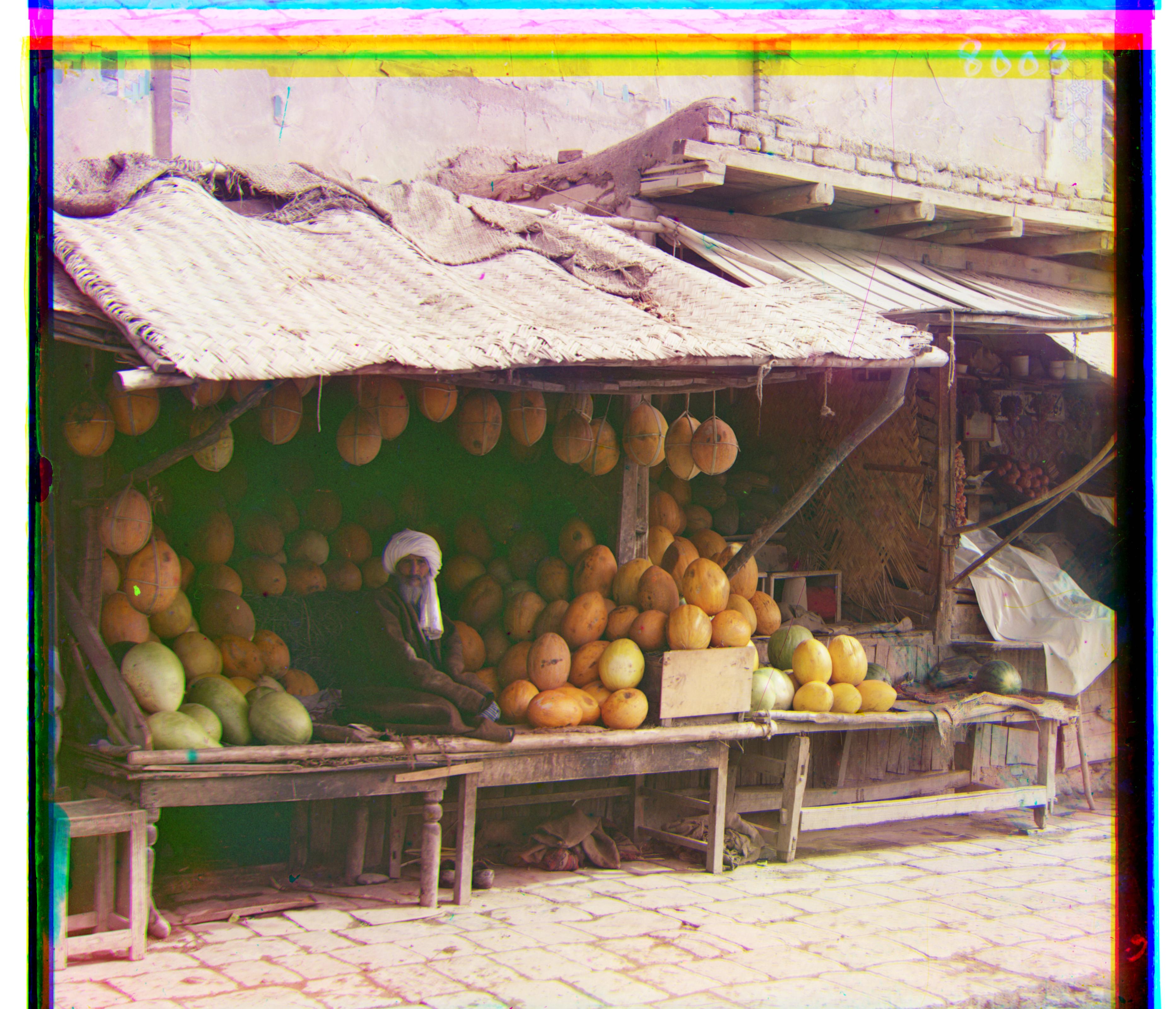
Melons

Melons

Green: (82, 11)
Red: (178, 13)
Time: 3.82s
Max Displacement!
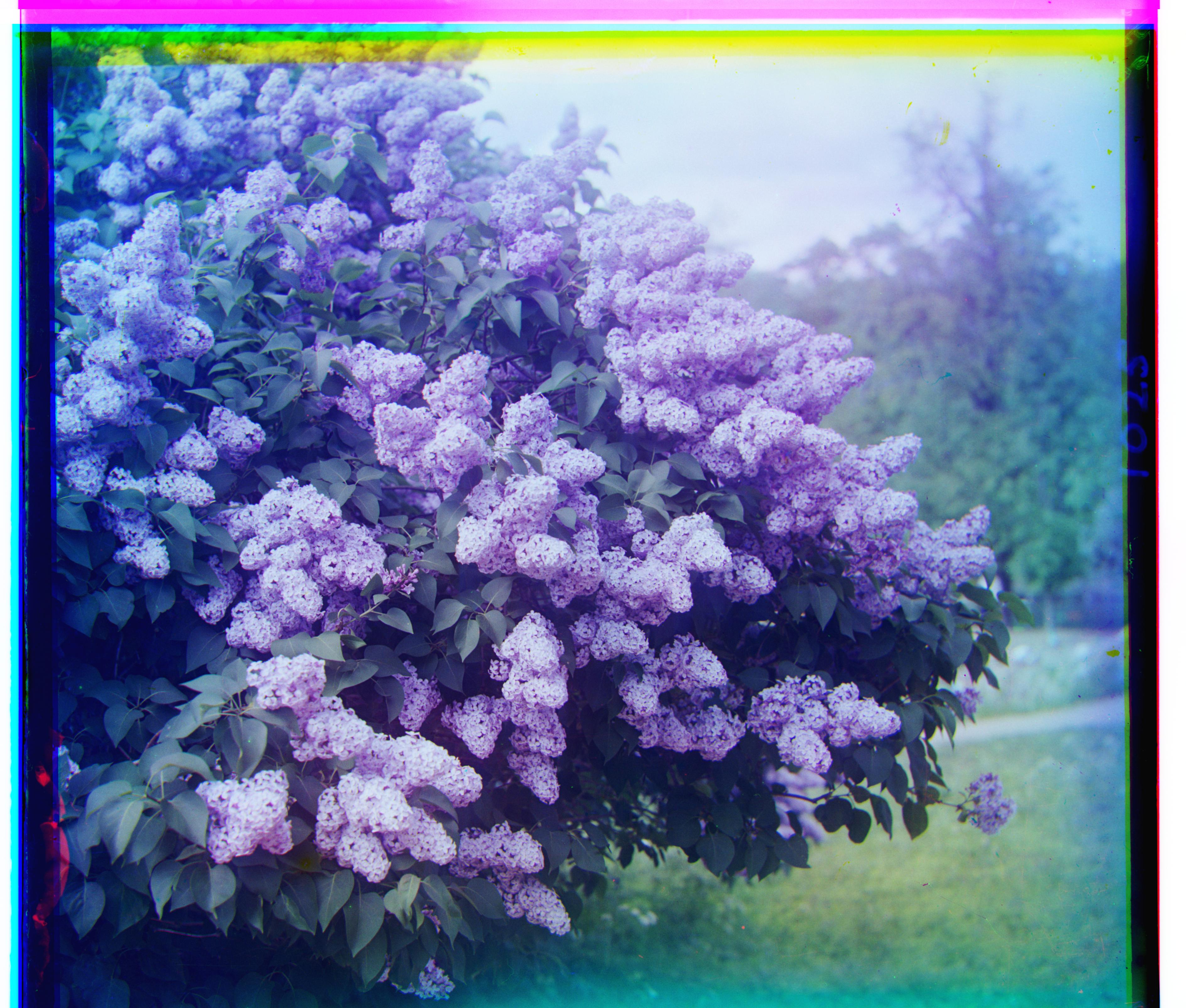
Siren

Siren

Green: (49, -6)
Red: (96, -25)
Time: 3.83s
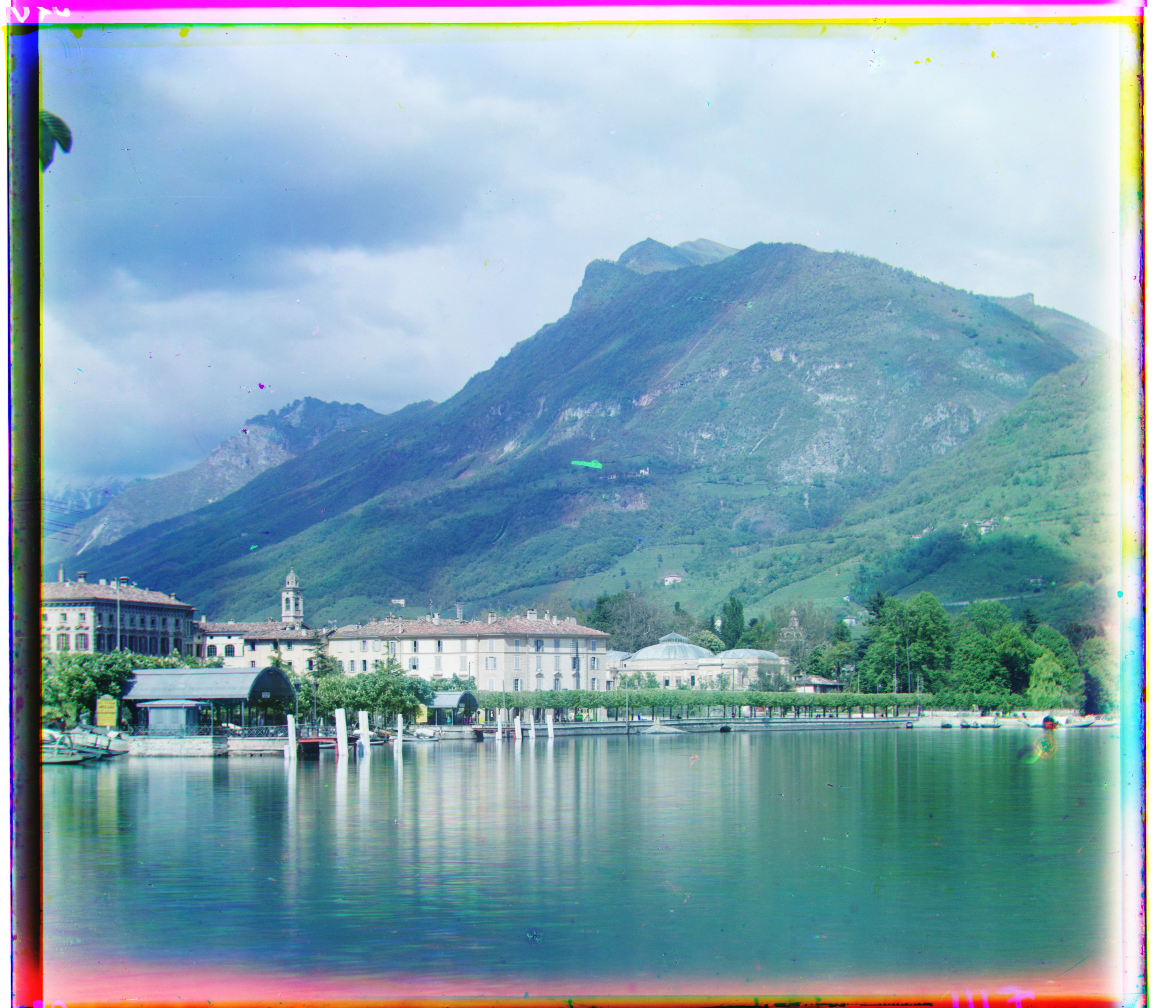
Lugano

Lugano

Green: (41, -16)
Red: (93, -29)
Time: 3.96s
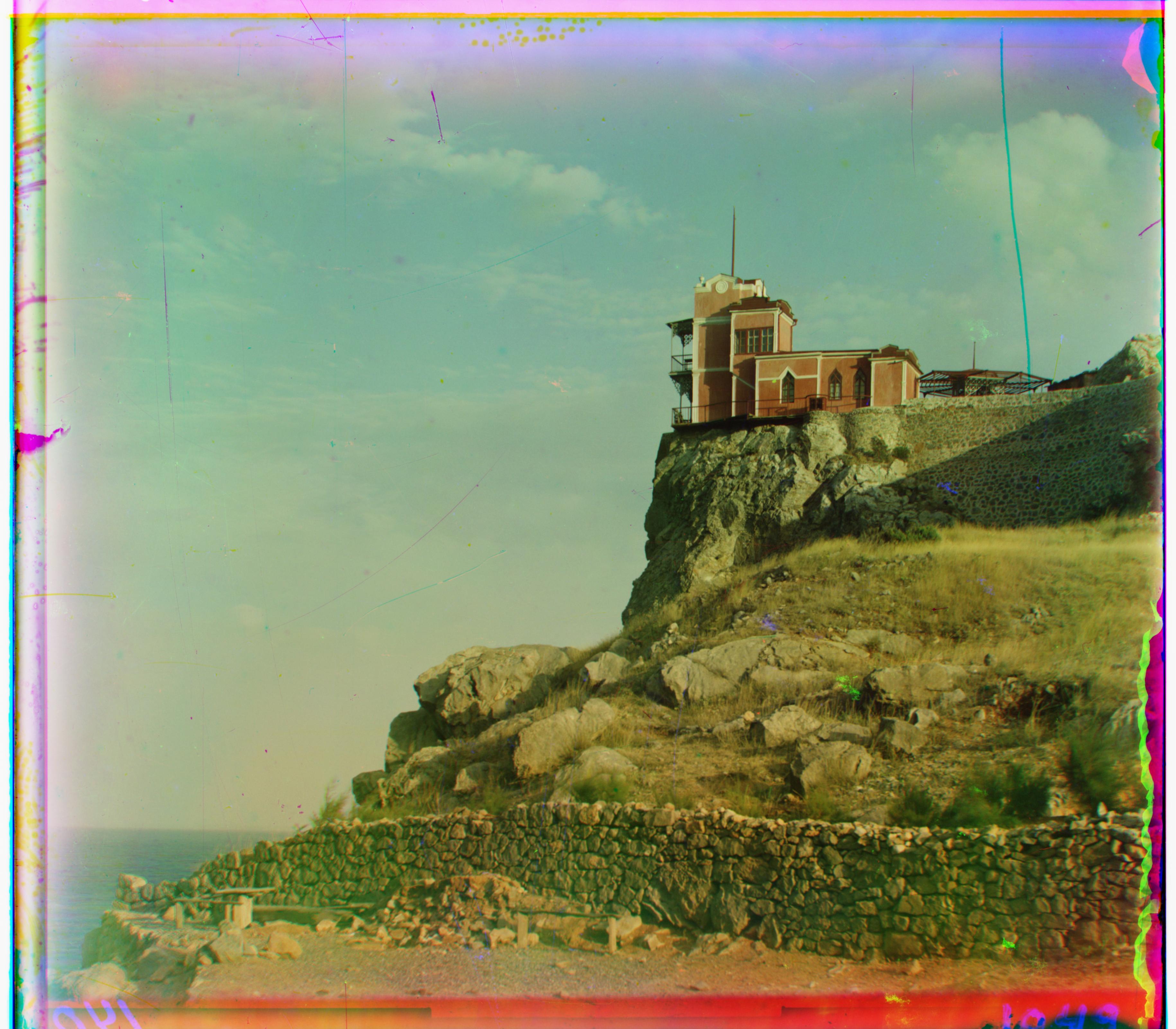
Lastochikino

Lastochikino

Green: (-3, -2)
Red: (75, -9)
Time: 3.68s
Italil

Italil

Green: (38, 21)
Red: (76, 35)
Time: 3.65s

Bells & Whistles

Edge Detection Enhancement

Edge Detection Approach

I initially implemented an edge detection enhancement using Sobel filters from scikit-image to improve alignment accuracy by focusing on edge features rather than raw pixel intensities.

However, upon discovering that external image processing libraries were not permitted for the core implementation, I removed this code from the notebook file which I submitted. Luckily, I didn't delete the pictures processed with this method so I can still showcase the results here.

Standard Result

Standard Emir
Pyramid Alignment

Enhanced Result

Enhanced Emir
Edge Detection

To see other pictures processed with this method, feel free to refer here.